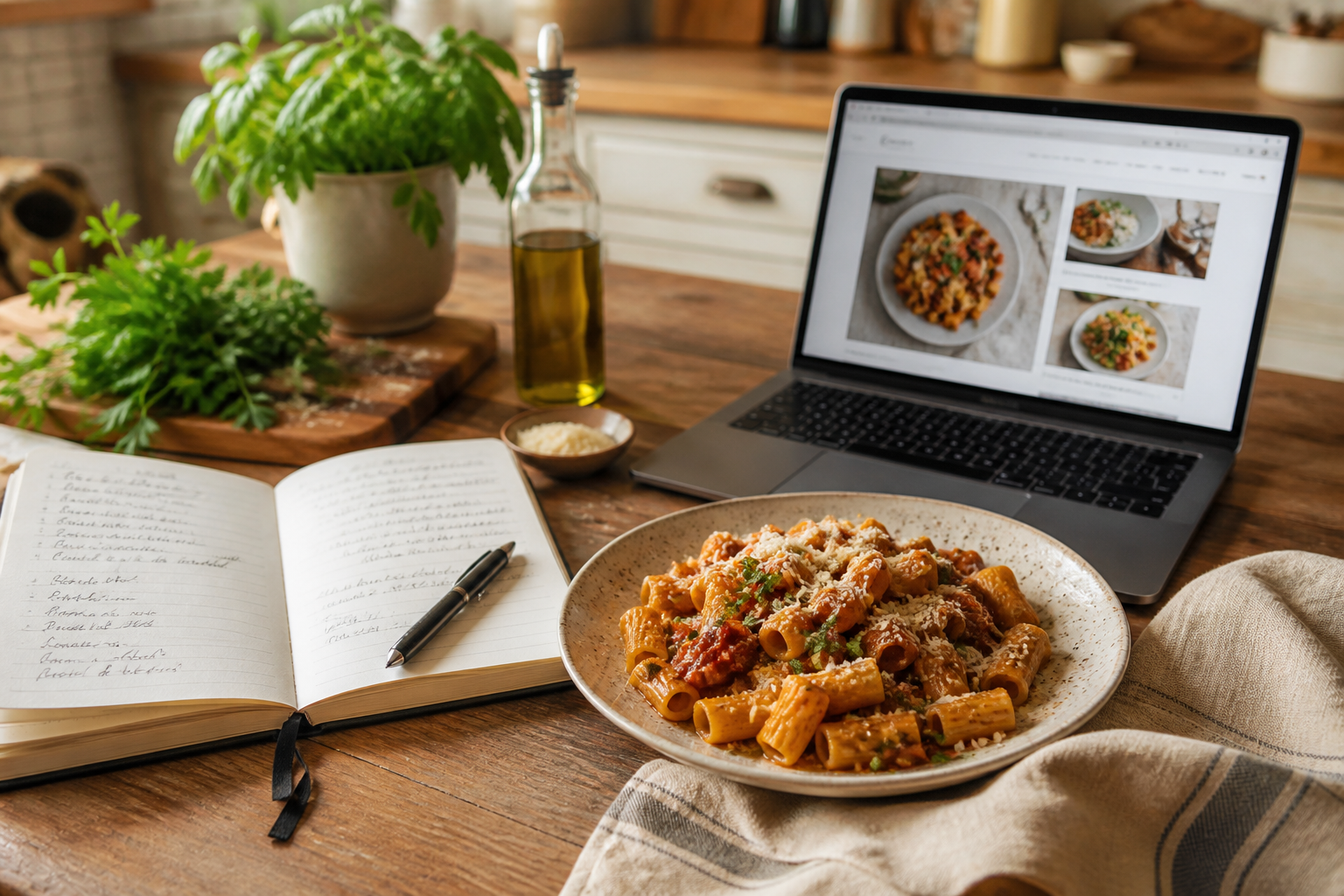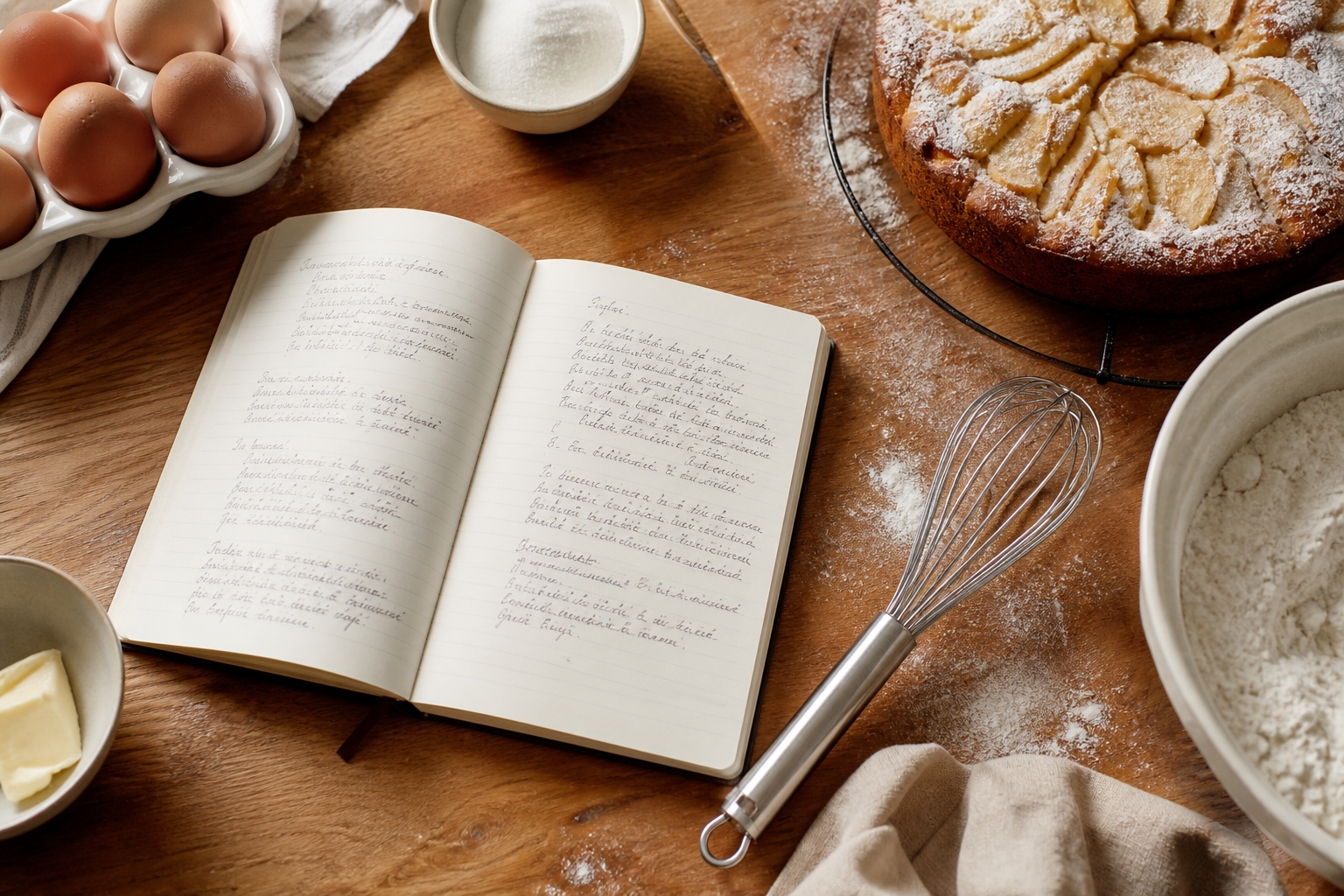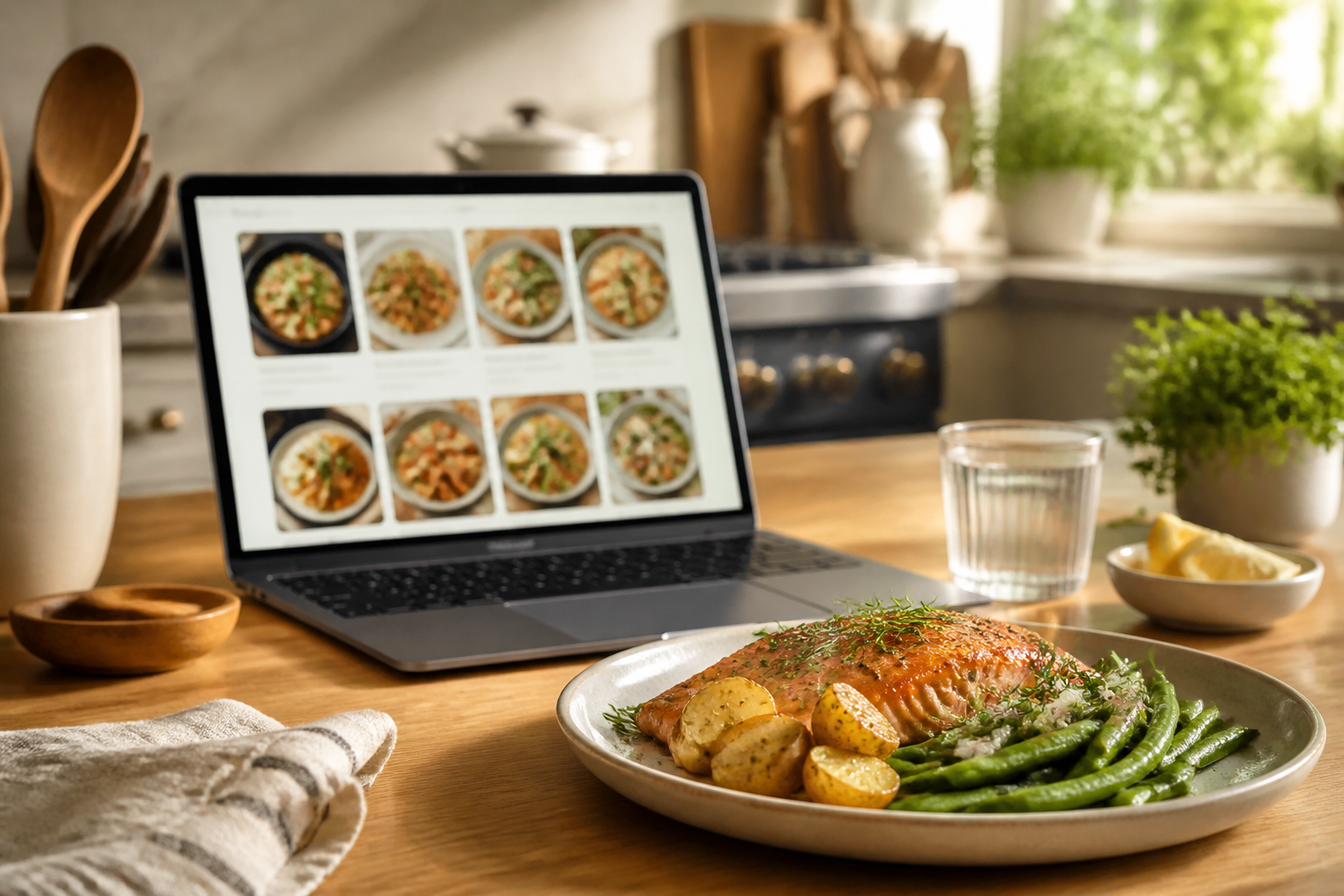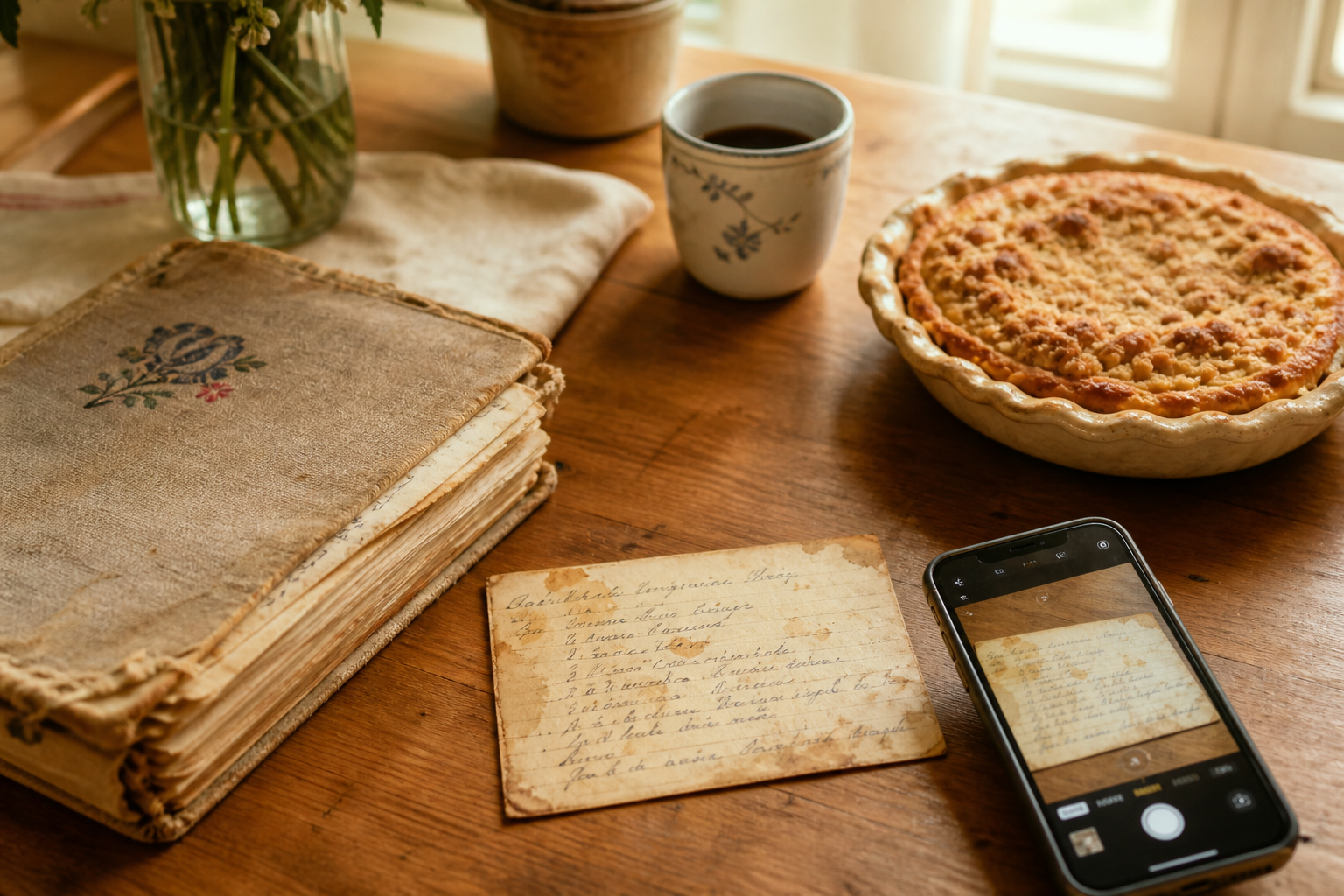
Family recipes live on stained cards, in group chats, and in someone’s head who “just knows.” A simple website gives them a home your relatives can open from any kitchen — without relying on who still has the binder, and without turning a shared cookbook into a multi-plugin construction project.
Gather what you already have
- Handwritten cards and notebook pages
- Photos of old recipe cards if the originals are fragile
- Voice notes from the relative who cooks from memory
- The version people actually make now (it may differ from the card)
Capture imperfect drafts first. You can tidy amounts later. Losing the only copy is worse than publishing a rough one.
Translate memory into cookable steps
Family recipes often say “some” and “until it looks right.” Your job is to turn that into amounts and cues another person can follow. Cook beside the expert once if you can. Write while the pan is still warm.
Use the same structure you would for any blog recipe — title, ingredients, numbered steps, notes. The recipe writing guide applies even when the audience is your cousins.
Credit people and keep the stories short
Name who taught you the dish. Add one short note about when it shows up — holidays, Sundays, the night before school. Save the long oral history for a separate page if you want it. The recipe itself should still be easy to cook from.
Photograph the real table
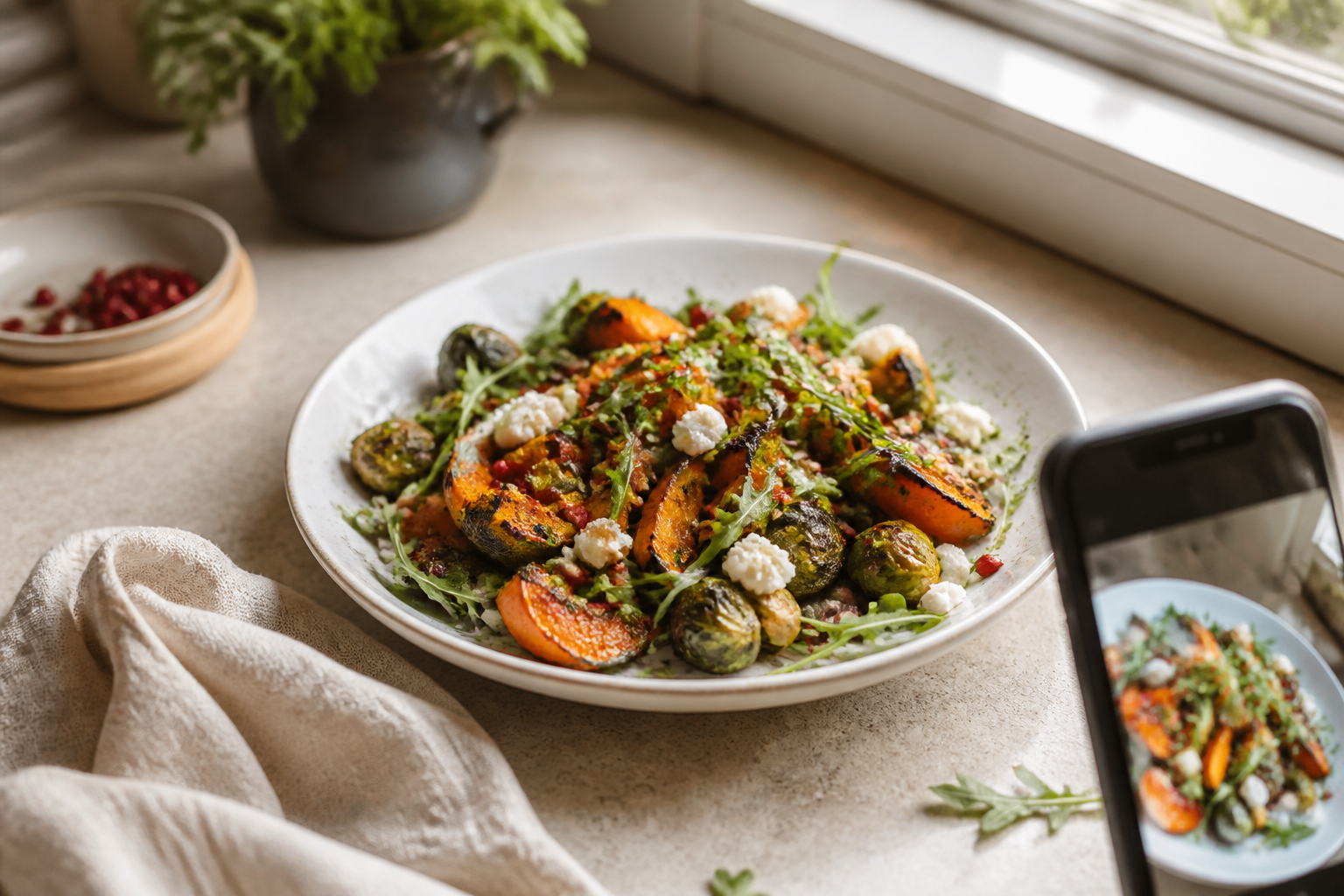
You do not need magazine styling. A clear photo of the finished dish in your actual kitchen is enough — and often more trusted by family. Daylight, wipe the counter, shoot the plate. See how to take food photos for your blog if you want a short primer.
Put them on a simple site
A private-feeling public blog works well: a named kitchen, a recipe index, and one page per dish. Share the link in the family chat. Update recipes when Uncle revises the chilli. The same basics as starting a food blog apply — then shape the browse experience with recipe website structure.
Savorible is a straightforward way to do this without building website infrastructure for a family cookbook. Name the site after the kitchen and publish the first three dishes. You can skip the CMS shopping trip — see do you really need WordPress if that question is lingering.
Think about privacy and expectations
- Ask before publishing someone else’s “secret” recipe
- Leave out addresses, phone numbers and private stories
- Agree whether the site is for family only or open to the world
Start your food blog
Start your very own food blog in 10 minutes.